


Sri Soubhagya Lalitha College of Nursing
Banashankari, Bangalore, Karnataka, 560050, India
Est. 2007
Campus & Infrastructure
The Sri Soubhagya Lalitha College of Nursing Campus is an important consideration for students planning to pursue nursing education. A suitable learning environment can help students understand nursing concepts, develop practical skills and prepare for clinical training. Students and parents may want to know about the college's classrooms, laboratory facilities, learning resources and overall campus environment. These facilities can support both theoretical learning and practical education during the course. However, the availability and condition of specific facilities should be confirmed directly with the college. This page explains the key campus-related aspects students should consider before choosing the institution.
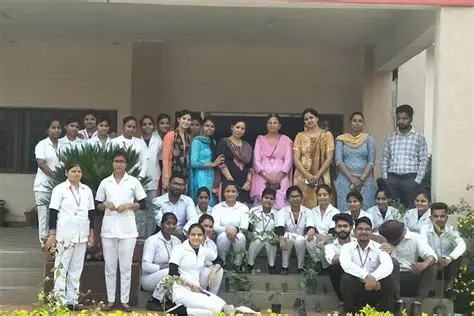
Sri Soubhagya Lalitha College of Nursing campus
The campus environment plays a role in the overall learning experience of nursing students. A nursing college generally requires suitable academic spaces, practical learning facilities and resources that support classroom teaching. Students should assess whether the available facilities meet their academic and practical training needs. For accurate information about the current campus infrastructure, it is advisable to contact the college administration or arrange a campus visit.
Academic Environment and Learning Resources
A well-organised academic environment can help nursing students focus on their studies and participate in learning activities.
Learning spaces: Students should check the availability of suitable spaces for lectures, discussions and academic activities.
Study resources: Access to textbooks, reference materials and other learning resources can help students understand nursing subjects.
Student facilities: Students can enquire about common areas and other facilities available for their daily academic needs.
Practical Learning Environment
Nursing education includes theoretical subjects as well as practical learning. The campus should provide appropriate facilities to help students develop basic nursing knowledge and skills.
Practical sessions: Students should ask how practical classes are organised as part of their course.
Skills development: Practical learning helps students understand nursing procedures and patient-care principles.
Clinical training: Students should confirm the arrangements for clinical postings and the institutions where practical training takes place.
What Students Should Check During a Campus Visit
A campus visit can help students understand the facilities available before making an admission decision.
Check the condition of academic spaces and practical learning areas.
Ask about the availability of library resources and other study facilities.
Enquire about campus maintenance, accessibility and student support services.
Confirm which facilities are available to students enrolled in their chosen nursing programme.
Sri Soubhagya Lalitha College of Nursing classrooms
Classrooms are an important part of nursing education because students need to understand medical terminology, nursing procedures, patient care and healthcare principles. Suitable teaching spaces can support lectures, discussions and presentations. Students considering this institution should verify the number, condition and facilities of its classrooms directly with the college. The availability of specific teaching equipment should not be assumed without confirmation.
Classroom Setup and Teaching Facilities
A suitable classroom setup helps students follow lessons and participate in academic activities.
Seating arrangements: Students can check whether the available seating is comfortable and suitable for classroom learning.
Teaching equipment: Ask whether classrooms have projectors, display screens, boards or other teaching aids.
Learning environment: Proper lighting, ventilation and classroom maintenance can contribute to a comfortable study environment.
Teaching Methods and Student Participation
Classroom learning helps students build the theoretical foundation required for nursing practice.
Lectures: Teachers explain nursing concepts, medical terminology and patient-care principles.
Discussions: Question-and-answer sessions can help students clarify doubts and understand difficult topics.
Presentations: Academic presentations and group activities may help students improve communication and teamwork skills.
Students should ask the college how theory classes are conducted and what teaching resources are currently available.
Sri Soubhagya Lalitha College of Nursing laboratories
Laboratory learning is an important part of nursing education because it allows students to practise selected nursing procedures in a controlled learning environment. Nursing laboratories may contain equipment and models used to demonstrate patient-care techniques and clinical procedures. Students should confirm which laboratories are available at this college and whether the equipment supports the practical requirements of their chosen course. The exact facilities and equipment should be verified with the institution.
Nursing Skills Practice and Equipment
Practical sessions can help students connect the concepts learned in class with nursing procedures.
Demonstration equipment: Nursing laboratories may use models and teaching aids to explain basic patient-care techniques.
Clinical skills practice: Supervised sessions can help students practise selected procedures before performing them in clinical settings.
Equipment availability: Students should ask about the equipment available for their course and how it is used during practical sessions.
Laboratory Training and Safety
Laboratory sessions should be organised to support supervised learning and safe handling of equipment.
Faculty supervision: Students should understand how practical sessions are guided by nursing faculty.
Safe practices: Proper handling, cleaning and storage of equipment are important during practical activities.
Practical assessments: Students can enquire about demonstrations, skill assessments and other methods used to evaluate their practical learning.
Importance of Laboratory Learning in Nursing Education
Laboratory practice can help students develop confidence before entering clinical environments.
Skill development: Repeated practice can improve familiarity with nursing procedures.
Theory and practice: Laboratory demonstrations help students apply concepts learned during lectures.
Preparation for clinical postings: Practical sessions can introduce students to selected procedures and patient-care responsibilities before supervised clinical exposure.
Students should confirm the laboratory schedule, available equipment and practical training arrangements with the college before admission.
Conclusion
Sri Soubhagya Lalitha College of Nursing Campus, classrooms and laboratories are important factors to consider when choosing a nursing college. Students should evaluate the academic facilities, teaching resources and practical learning arrangements before making a decision. Since specific infrastructure details may change, the current facilities should be confirmed directly with the college administration. A campus visit can help students and parents make a more informed choice about nursing education.
Auditorium
Classroom
Hospital
Hostel
4 campus facilities available
Sri Soubhagya Lalitha College of Nursing
Apply for Admission
Free counselling from our admission experts
Similar Colleges You May Like
Explore other top-rated colleges in the same category and state





Nursing Admissions 2026
Ready to secure your seat at Sri Soubhagya Lalitha College of Nursing?
Our expert admission counsellors will guide you through every step — from NEET counselling to seat confirmation. Get free, personalised guidance today.
NEET counselling & seat matrix guidance
Compare fees across similar colleges
No registration required — completely free
Free Counselling
Expert Guidance
100% Secure
Quick Response
Get Free Admission Guidance
No fees. No obligations. Trusted by 50,000+ students.
Your details are 100% secure. We never share them.