
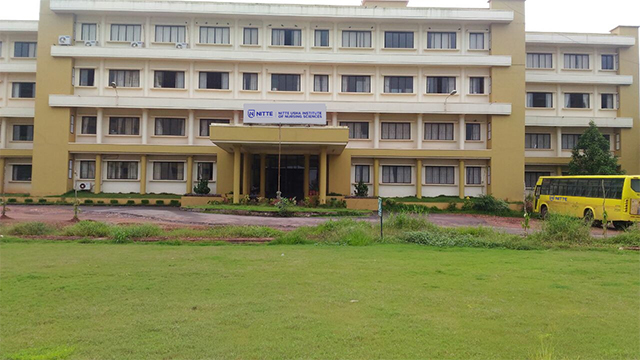

Nitte Usha Institute of Nursing Sciences
Kotekar Beeri Road, Chikkamagaluru, Karnataka, 577125, India
Est. 1992
Placements
Nitte Usha Institute of Nursing Sciences Placement is an important topic for students who want to understand career opportunities after completing their nursing education. Placement information helps students learn about employment options, recruitment processes and career preparation. Nursing graduates can explore opportunities in hospitals, clinics, community health centres and specialised healthcare organisations. Their career prospects may depend on their educational qualifications, clinical experience, practical skills and professional registration. Placement opportunities help nursing students understand the employment options available after completing their courses. They may include recruitment information, career guidance and preparation for interviews with healthcare employers. Specific details such as placement records, recruitment partners and the number of students placed should be confirmed directly with Nitte Usha Institute of Nursing Sciences. Nursing graduates can explore different employment opportunities depending on their qualifications and the requirements of healthcare organisations. Private Hospitals: Graduates may apply for staff nurse and other eligible nursing positions in private hospitals. Government Hospitals: Candidates who meet the required conditions can apply for nursing vacancies announced through government recruitment. Specialised Healthcare Centres: Nurses with relevant training may explore opportunities in departments such as critical care, maternity and paediatric care. Community Healthcare: Graduates can look for roles in community health centres and other facilities that provide basic healthcare services. Employers generally look for candidates who have the knowledge and skills needed to provide safe and effective patient care. Clinical Skills: Understanding nursing procedures and patient-care practices is important for hospital roles. Communication: Nurses should communicate clearly with patients, doctors and other healthcare professionals. Patient Safety: Knowledge of hygiene, infection prevention and patient safety practices is essential. Teamwork: Working with doctors and other healthcare staff helps ensure proper coordination during patient care. Students can improve their readiness for recruitment by preparing their academic and professional details. Resume Preparation: Include educational qualifications, clinical training, practical skills and relevant experience. Subject Revision: Review nursing fundamentals, patient care and basic hospital procedures. Document Verification: Keep certificates, registration documents and other required records ready. Interview Practice: Practise explaining nursing concepts and answering common questions clearly. A placement cell generally supports students with career planning and employment preparation. Its services may include career counselling, resume guidance, interview training and information about recruitment opportunities. Students should confirm the current structure and services of the placement cell at Nitte Usha Institute of Nursing Sciences directly with the institution. Understanding the available support can help students plan their transition from education to employment. Career counselling helps students understand different employment paths and make suitable career decisions. Career Options: Students can learn about clinical nursing, community healthcare, specialised care and other professional roles. Qualification Guidance: They can understand which additional qualifications may be required for particular positions. Career Planning: Guidance can help students identify their interests and plan their next steps after graduation. Interview preparation helps students present their knowledge and skills confidently to potential employers. Resume Guidance: Students can learn how to organise their academic and clinical experience in a professional resume. Mock Interviews: Practice interviews can help students become familiar with recruitment questions. Communication Training: Clear communication is important when discussing patient care and nursing responsibilities. Workplace Readiness: Students should understand professional behaviour, patient privacy and workplace discipline. Some placement cells share job information or coordinate with healthcare employers. Students should ask the institution which of these services are currently available. Vacancy Information: Check whether the college shares details about nursing job openings. Hospital Recruitment: Ask whether healthcare organisations conduct campus recruitment or interviews through the institution. Selection Guidance: Understand the eligibility conditions, interview stages and documents required by employers. Salary is an important consideration for students planning a career in nursing. The salary received by a graduate depends on the nursing qualification, experience, employer, job location and responsibilities. Freshers and experienced professionals may receive different salary packages. Since salary figures can change and vary between employers, students should confirm current pay details directly with hospitals and healthcare organisations. The qualification completed by a nursing student can influence the positions they are eligible to apply for. GNM: Graduates may apply for nursing roles that accept a General Nursing and Midwifery qualification. B.Sc Nursing: Graduates can explore staff nurse and other eligible clinical nursing positions. Post Basic B.Sc Nursing: This qualification provides further academic progression for candidates who have completed GNM. M.Sc Nursing: Postgraduates may explore specialised nursing, teaching and advanced professional roles based on their specialisation and eligibility. Salary packages can differ depending on the employer and the nature of the job. Experience: Nurses with previous work experience may receive different salary packages compared with fresh graduates. Hospital Type: Government hospitals, private hospitals and specialised healthcare centres may have different salary structures. Work Location: Salary levels can vary between cities, towns and rural areas. Specialisation: Relevant training and experience in areas such as critical care or emergency nursing may support access to specialised roles. Job Responsibilities: Department duties, shift timings and workload can influence the salary offered. Nursing professionals can work towards career growth by gaining experience and improving their qualifications. Higher Education: Advanced nursing qualifications can help professionals explore additional career options. Specialised Training: Learning skills for specific healthcare departments can improve professional knowledge. Professional Experience: Working in different clinical settings can help nurses develop practical abilities. Leadership Positions: Experienced nurses may progress into supervisory, administrative or teaching roles if they meet the required qualifications. Nursing graduates can explore different job opportunities after completing their education and meeting the relevant professional requirements. Employment options may be available in hospitals, clinics, community healthcare facilities and specialised medical centres. The job role a graduate can apply for depends on the course completed, clinical skills, registration and employer requirements. Understanding these options helps students choose a suitable career direction. Some of the common roles that nursing graduates may explore include: Staff Nurse: Provides direct patient care, monitors health conditions and assists doctors with treatment. Clinical Nurse: Supports patient care in hospital departments such as medical, surgical and emergency units. Community Health Nurse: Provides basic healthcare services and health education in local communities. Paediatric Nurse: Provides nursing care to infants and children, subject to relevant training and job requirements. Nurse Educator: Teaches nursing students and supports their academic and practical learning, subject to the required qualifications. Nursing Supervisor: Coordinates nursing activities and supports patient-care teams, generally requiring relevant experience. Nursing professionals can explore employment across different types of healthcare organisations. Multi-Speciality Hospitals: Nurses support patient care across medical, surgical and specialised departments. Private Clinics: Nursing staff assist doctors and provide support during routine patient-care activities. Government Health Facilities: Eligible candidates can apply for vacancies announced through official recruitment processes. Community Health Centres: Nurses provide basic healthcare, preventive services and health awareness. Specialised Medical Centres: Graduates with suitable training may explore roles in maternity, paediatric and other specialised departments. Students can use different methods to search for vacancies and apply for suitable positions. Official Hospital Websites: Visit hospital career pages to check current nursing vacancies and application instructions. Job Portals: Search recognised employment websites using terms such as staff nurse, clinical nurse and nursing graduate. Government Recruitment: Follow official notifications for government nursing vacancies. Professional Networks: Connect with nursing professionals and alumni to learn about job openings. College Guidance: Contact the institution to ask about placement support and recruitment updates. Nitte Usha Institute of Nursing Sciences Placement in hospitals, clinics, community healthcare and specialised medical organisations. Clinical knowledge, practical skills and professional registration are important for entering the healthcare workforce. Students should contact Nitte Usha Institute of Nursing Sciences to confirm its current placement support, recruitment activities and salary-related information. Understanding available job roles and career growth options can help students make informed decisions about their future.Nitte Usha Institute of Nursing Sciences Placement
Placement Opportunities in the Healthcare Sector
Skills That Support Placement Selection
Preparation Before Attending Interviews
Nitte Usha Institute of Nursing Sciences Placement Cell
Career Counselling for Nursing Students
Interview Training and Professional Development
Recruitment Assistance and Employer Connections
Nitte Usha Institute of Nursing Sciences Salary
Salary Based on Nursing Qualifications
Factors That Determine Nursing Salary
Opportunities for Long-Term Salary Growth
Nitte Usha Institute of Nursing Sciences Jobs
Job Roles Available After Nursing Courses
Healthcare Organisations That Recruit Nurses
How to Apply for Nursing Jobs
Conclusion
Nitte Usha Institute of Nursing Sciences
Apply for Admission
Free counselling from our admission experts
Similar Colleges You May Like
Explore other top-rated colleges in the same category and state





Nursing Admissions 2026
Ready to secure your seat at Nitte Usha Institute of Nursing Sciences?
Our expert admission counsellors will guide you through every step — from NEET counselling to seat confirmation. Get free, personalised guidance today.
NEET counselling & seat matrix guidance
Compare fees across similar colleges
No registration required — completely free
Free Counselling
Expert Guidance
100% Secure
Quick Response
Get Free Admission Guidance
No fees. No obligations. Trusted by 50,000+ students.
Your details are 100% secure. We never share them.