
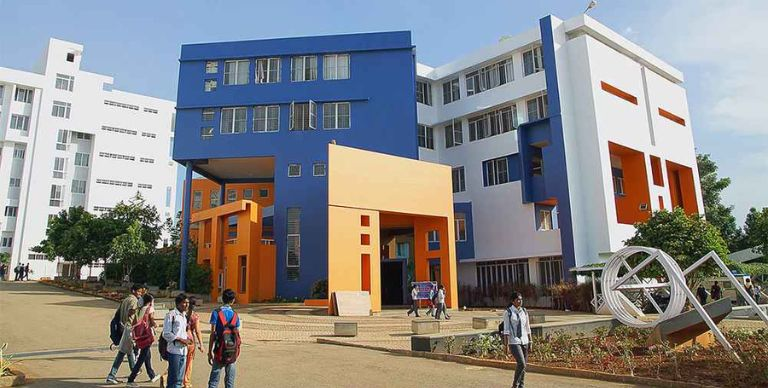

Acharya Institute of Health Sciences
R.T. Nagar Post, Bangalore, Karnataka, 560032, India
Est. 1997
Placements
Acharya Institute of Health Sciences Placement plays an important role in helping students build successful careers in the healthcare sector. Choosing a nursing college is not only about education but also about the career opportunities available after completing the course. Students and parents often want to understand the placement support, hospital training and employment options before selecting an institution. Acharya Institute of Health Sciences in Bangalore provides career guidance, clinical exposure and placement assistance to students pursuing healthcare programmes. The institute provides placement assistance to students through its placement cell, which works towards connecting graduates with employment opportunities in the healthcare sector. Students receive career guidance and support from faculty members, coordinators and placement staff during their academic journey. Clinical postings also help students understand hospital environments and develop practical skills required for professional work. The placement cell supports students in preparing for employment after completing their courses. It works with students to help them understand career options and prepare for recruitment opportunities. The support includes: Career Counselling: Students receive guidance from faculty members and career counsellors to understand suitable career paths. Employment Guidance: The placement team helps outgoing students explore available job opportunities in healthcare organisations. Professional Preparation: Students receive guidance on developing the skills and confidence needed for interviews and workplace responsibilities. Career Planning: Students are encouraged to identify their interests and choose suitable areas of specialisation. The institute states that its placement cell operates from the Magadi Road campus and works throughout the year to identify employment opportunities for healthcare graduates. Clinical exposure is an important part of healthcare education. Students get opportunities to understand patient care, hospital procedures and the responsibilities of healthcare professionals through supervised clinical postings. According to the institute's placement information, students from nursing and other health science programmes receive exposure in different healthcare settings, including: Government Hospitals: Students can understand patient care practices and healthcare services in public hospitals. Private Hospitals: Clinical exposure helps students learn about hospital departments and patient management. Corporate Hospitals: Students gain an understanding of professional healthcare environments and specialised medical services. The institute lists hospitals such as Fortis Hospital, Apollo Hospital, Aster CMI, Baptist Hospital and BGS Global Hospitals among its clinical posting and recruiter organisations. The placement team works to identify suitable opportunities for students completing their healthcare programmes. Recruitment requirements may differ depending on the course, qualifications, practical experience and employer requirements. Students can improve their employment readiness by: Developing communication and patient-handling skills. Gaining practical experience during clinical postings. Preparing an updated resume with academic and training details. Understanding the responsibilities of their preferred healthcare roles. Participating in interviews and recruitment activities whenever available. The institute does not publish a detailed, course-wise placement percentage or a verified salary report on its placement webpage. Students should contact the placement department for the latest recruitment details. Hospital internships and clinical training help nursing students understand how healthcare services work in real situations. Students can develop practical knowledge by observing experienced nurses, assisting with patient care and learning hospital procedures under supervision. Manipal Hospital is one of the hospital names students may come across while researching internship possibilities. However, students should verify the current internship arrangement directly with the institute before assuming that a posting at this hospital is guaranteed. Clinical training helps nursing students connect classroom lessons with actual patient care. During hospital postings, students learn how healthcare professionals manage patients and perform their daily responsibilities. Important areas of practical learning include: Patient Care: Learning how to monitor patients and provide basic nursing care. Medical and Surgical Wards: Understanding patient care procedures in different hospital departments. Community Health: Learning about public health services, preventive care and health awareness. Emergency Care: Observing how healthcare teams respond to medical emergencies under professional supervision. The duration and schedule of clinical training depend on the nursing programme and applicable academic guidelines. Students interested in training at Manipal Hospital should confirm whether such an opportunity is available through the institute for their particular academic batch. Before joining an internship, students should check: Hospital Allocation: Whether Manipal Hospital is included in the current clinical training or internship arrangements. Internship Duration: The approved duration and department-wise training schedule. Supervision: Whether students receive practical training under qualified nursing professionals. Documentation: Whether the hospital or institute provides the required internship records and completion certificate. The institute's published placement page lists several hospitals for clinical postings, but does not specifically name Manipal Hospital in its current published list. Therefore, students should confirm this arrangement with the college rather than consider it a guaranteed facility. Hospital internships help students develop the professional skills needed to work in healthcare environments. They also provide an opportunity to understand the challenges involved in patient care. Practical Knowledge: Students learn how theoretical nursing concepts are applied during patient treatment. Communication Skills: They develop the ability to communicate with patients, families and healthcare professionals. Clinical Confidence: Regular supervised practice helps students become more comfortable with nursing responsibilities. Workplace Experience: Students understand hospital discipline, teamwork and professional conduct. Healthcare graduates can explore different employment opportunities depending on their educational qualifications, practical experience and professional skills. The institute's placement support helps outgoing students identify suitable career options in hospitals and other healthcare organisations. Nursing graduates can apply for different positions in hospitals, clinics and other healthcare facilities. Some common job roles include: Staff Nurse: Provides patient care, monitors health conditions and assists doctors during treatment. Clinical Nurse: Works in specialised hospital departments and provides nursing care based on patient requirements. Community Health Nurse: Provides basic healthcare services and health education to people in local communities. Nurse Educator: Teaches nursing students and helps them develop theoretical and practical knowledge. Nursing Supervisor: Coordinates nursing activities and supports the management of nursing staff. ICU Nurse: Provides specialised care to patients admitted to intensive care units after meeting the required qualifications and training. Students completing different health science programmes can explore employment in several areas. The available roles depend on the course completed and the skills developed during training. Employment Area Possible Job Roles Hospitals Staff Nurse, Clinical Nurse Diagnostic Centres Medical Lab Technologist Imaging Centres Imaging Technologist Rehabilitation Centres Physiotherapy Professional Community Healthcare Community Health Worker Healthcare Administration Hospital Administration Executive Note: Graduates should check the qualification and registration requirements for each position before applying. Students can also continue their education after completing their undergraduate programmes. Higher studies help graduates develop specialised knowledge and explore advanced career options. Some possible options include: M.Sc Nursing: Suitable for nursing graduates interested in specialisations, teaching or advanced clinical practice. Post Basic B.Sc Nursing: An academic progression option for eligible GNM-qualified registered nurses. Healthcare Administration: Students interested in hospital operations can explore relevant management programmes. Specialised Training: Additional professional training can help graduates develop expertise in specific healthcare departments. The B.Sc Nursing programme prepares students for professional nursing responsibilities through academic learning and clinical practice. Students study nursing subjects and develop practical skills required for patient care and hospital work. Placement assistance and clinical exposure can help graduates understand employment requirements and explore opportunities in the healthcare sector. Actual recruitment outcomes depend on individual performance, qualifications and the availability of suitable vacancies. Clinical training is important for B.Sc Nursing students because it provides practical experience in different areas of patient care. Students learn to apply their academic knowledge while working in supervised healthcare environments. Important areas of training include: Medical-Surgical Nursing: Understanding patient care before and after medical or surgical procedures. Paediatric Nursing: Learning about healthcare and nursing requirements for children. Community Health Nursing: Understanding preventive healthcare and community health programmes. Mental Health Nursing: Learning how to support patients with mental health requirements. Obstetrics and Gynaecological Nursing: Understanding maternal healthcare and women's health services. The institute describes clinical postings across government, private and corporate hospitals as part of its healthcare education approach. After completing B.Sc Nursing, graduates can explore employment in different healthcare organisations. Their career options may depend on practical experience, professional registration and the requirements of employers. Possible employment areas include: Multispecialty Hospitals: Working in general wards and specialised medical departments. Private Healthcare Organisations: Applying for nursing positions in private hospitals and healthcare centres. Government Healthcare Facilities: Exploring vacancies in government hospitals and public health institutions through the relevant recruitment process. Community Health Centres: Providing nursing support and participating in community healthcare programmes. Specialised Care Units: Exploring opportunities in intensive care, emergency care and other departments after obtaining the required training. Students can improve their employment readiness by preparing throughout their academic programme rather than waiting until graduation. The following steps can help: Build Clinical Skills: Participate actively in practical sessions and hospital postings. Improve Communication: Develop clear communication skills when interacting with patients and healthcare teams. Prepare a Resume: Include educational qualifications, clinical experience, internships and relevant skills. Understand Hospital Procedures: Learn about patient safety, nursing documentation and professional responsibilities. Attend Interviews: Practise common nursing interview questions and understand the responsibilities of the position. The institute's placement team and faculty guidance can help students understand available career opportunities and prepare for the recruitment process. Acharya Institute of Health Sciences Placement provides students with career guidance, clinical exposure and placement assistance to explore opportunities in the healthcare sector. Nursing students can develop practical knowledge through hospital postings and supervised clinical training. Graduates can consider different career paths in hospitals, community healthcare and specialised medical departments. Students should contact the institute to confirm current internship arrangements.Acharya Institute of Health Sciences placement
Placement Cell and Career Guidance
Hospital Exposure and Clinical Postings
Placement Support and Recruitment Opportunities
Acharya Nursing Internship Manipal Hospital
Internship and Practical Clinical Training
Hospital Internship Opportunities at Manipal Hospital
Benefits of Hospital Internship for Nursing Students
Acharya Institute of Health Sciences job opportunities
Job Roles Available for Nursing Graduates
Employment Areas After Healthcare Courses
Career Development and Higher Education
Acharya Institute of Health Sciences B.Sc Nursing placement
Clinical Training and Professional Skill Development
Hospitals and Employment Opportunities After B.Sc Nursing
Placement Preparation for B.Sc Nursing Students
Conclusion
Acharya Institute of Health Sciences
Apply for Admission
Free counselling from our admission experts
Similar Colleges You May Like
Explore other top-rated colleges in the same category and state

Nursing Admissions 2026
Ready to secure your seat at Acharya Institute of Health Sciences?
Our expert admission counsellors will guide you through every step — from NEET counselling to seat confirmation. Get free, personalised guidance today.
NEET counselling & seat matrix guidance
Compare fees across similar colleges
No registration required — completely free
Free Counselling
Expert Guidance
100% Secure
Quick Response
Get Free Admission Guidance
No fees. No obligations. Trusted by 50,000+ students.
Your details are 100% secure. We never share them.